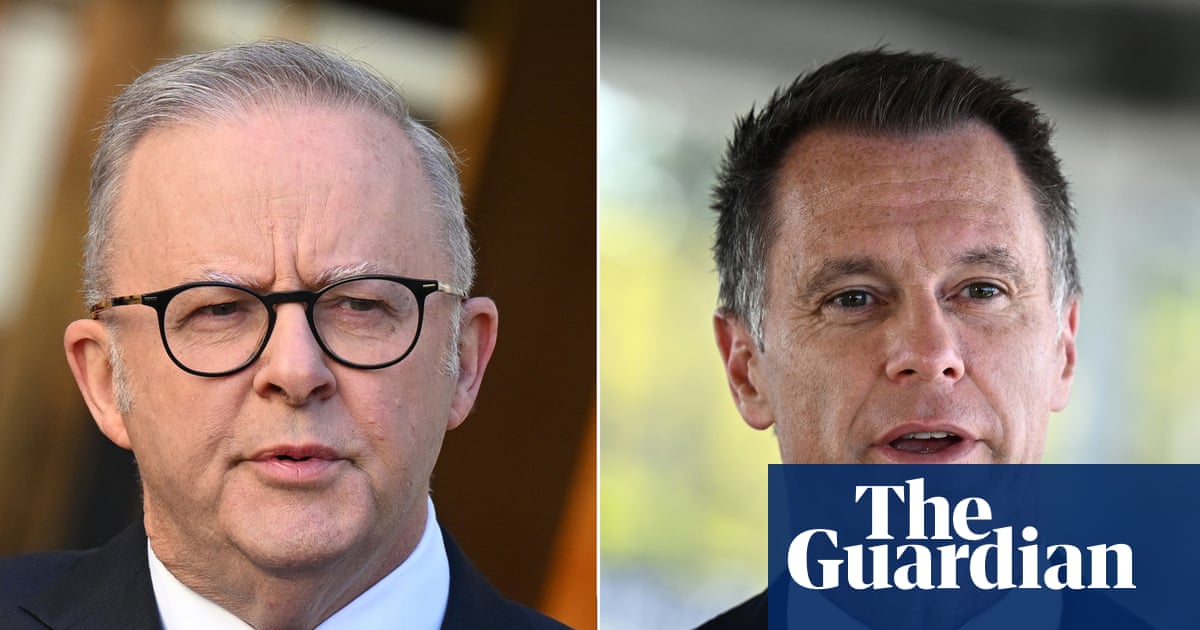
Rising interest rates and persistent inflation are driving a wedge between state and federal leaders, highlighting growing political and economic friction over how best to manage the country’s financial outlook. With markets anticipating another official cash rate hike—potentially pushing the rate to 4.85%, its highest mark in nearly two decades—the potential fallout on local businesses and households has become a central point of debate.
New South Wales Premier Chris Minns issued a stark warning regarding the real-world impact of further monetary tightening, cautioning that additional interest rate increases will inevitably trigger job cuts and force commercial doors to close permanently. Emphasizing the severity of the economic situation, Minns argued that governments across all levels must re-evaluate their financial commitments to relieve upward pressure on the broader economy.
“The impact of another rate rise on the New South Wales economy will be massive,” Minns said. “There’ll be jobs that go that will never come back. There’ll be shops that close that do not reopen with another rate rise.”
Global Pressures vs. Domestic Policy
While federal leadership points to external disruptions—including international conflicts and broader global market instability—as the principal drivers of domestic price surges, critics argue that internal fiscal policy remains a crucial variable. Federal officials insist that upcoming mid-year budget updates will feature targeted savings measures, maintaining that current spending programs are essential and designed to avoid adding undue hardship to everyday households.
Despite these assurances, debate continues over the balance between curbing demand and preserving vital services or productivity investments. Some economic observers argue that international inflation does not completely insulate domestic decision-making from scrutiny, pointing toward specific public expenditures and infrastructure projects as areas where greater fiscal discipline could be exercised.
"The cost-of-living crisis being global isn’t a free pass for the government to underperform. And why is the argument always that we either increase taxes or cut essential services? How about looking at government spending first?"
Others contend that simple reductions in spending fail to address structural economic shifts, emphasizing that long-term stability requires targeted investment in domestic production and productivity improvements rather than broad financial retrenchment.
The Broader Impact on Households and Workers
Beyond government corridors, labor organizations and community advocates have raised serious concerns about the cumulative effect of continuous rate hikes on working families. Social sector leaders argue that using interest rates as the primary tool to tame inflation places an inequitable burden on consumers, risking higher unemployment and deeper financial distress for low- and middle-income households.
"Higher interest rates create unemployment by design. We cannot be certain what the impact of another rate hike now will be on unemployment in a year’s time. An increase towards or above 5% would be disastrous, locking people out of jobs for years and forcing them to rely on grossly inadequate income support payments."
As economic indicators remain mixed and public frustration over purchasing power persists, political figures across the spectrum face mounting pressure to deliver tangible results. Whether through restrained public expenditure, regulatory intervention, or structural economic reform, the challenge remains finding a path that curbing inflation without triggering wider economic contraction.

